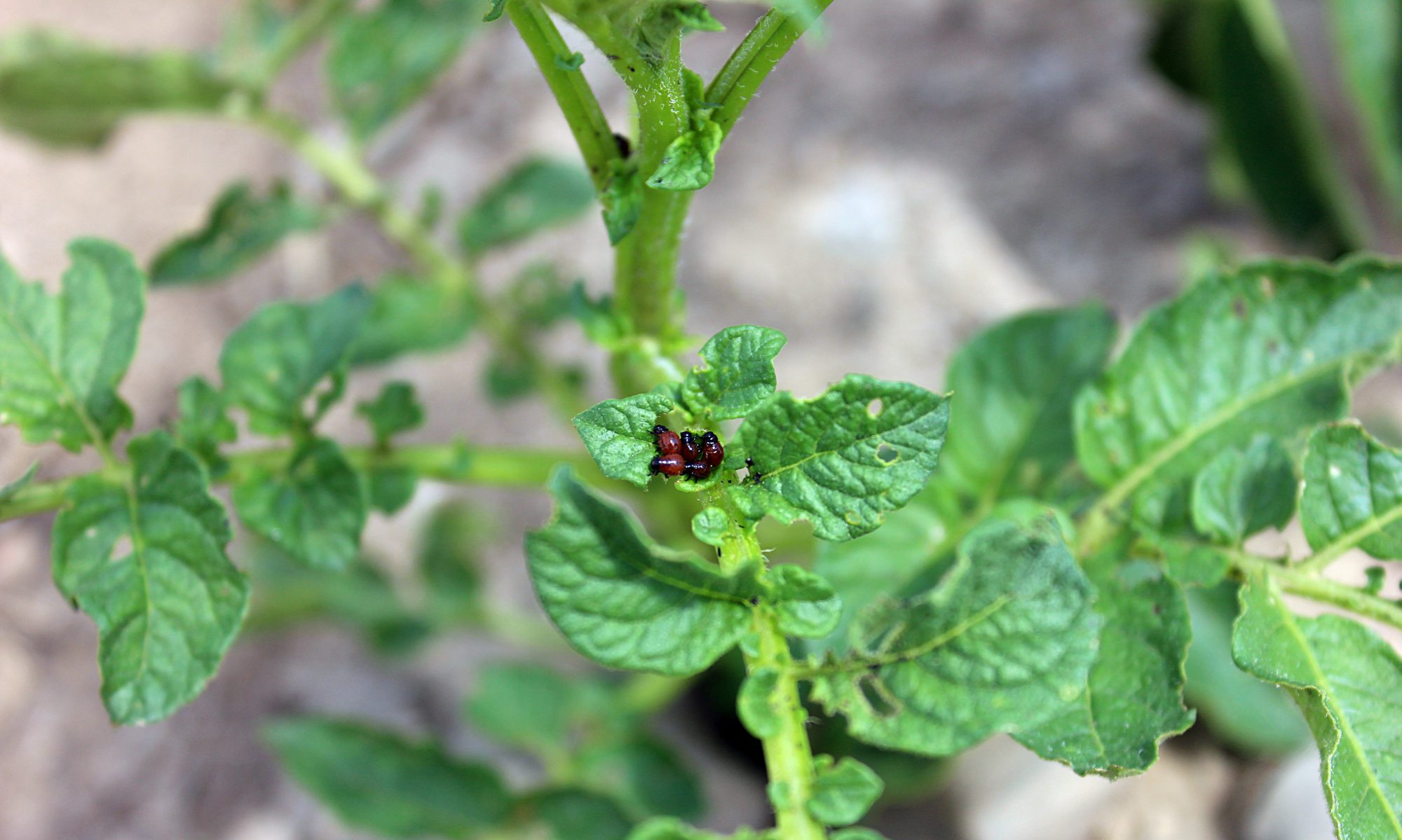
Our daily experience is shaped by just a handful of senses.
Sensory cues are essential for all life on earth: they guide decisions related to food, safety, reproduction, and habitat selection. Sensory ecology, the study of how organisms transmit, detect, and interpret environmental signals, provides insight into how species navigate the complexities of their ecosystems.
At our lab, we integrate applied sensory ecology with artificial intelligence, including fine-tuned large language models (LLMs) and deep learning architectures to better understand these interactions. Similar to how organisms continuously sample their environments to survive and adapt, we use these methods to process and synthesize vast ecological, behavioral, and geospatial datasets, surfacing patterns and relationships often too complex or subtle for traditional analysis.
With models that are trained across multiple modalities, it makes it possible to simulate, predict, and even influence sensory-driven behavior. By combining ecological expertise with the power of these analytical approaches, our hope is to open new pathways for discovery in conservation, biodiversity, habitat modeling, and biological control. This interdisciplinary approach not only deepens our understanding of how life perceives the world, but equips us with tools to better protect and manage it.



 Nick Aflitto